Tips for Choosing the Perfect General Contractor for Your Next Home Project
Picking the right general contractor for a household project is a significant choice. It demands thorough evaluation of multiple considerations, including expertise, certifications, and interpersonal skills. Numerous homeowners neglect essential details, causing avoidable problems. Learning how to vet prospective contractors can greatly improve outcomes. By prioritizing important qualifications and raising the right concerns, one can handle this complex process more efficiently. What steps should be taken to establish a successful contractor partnership?
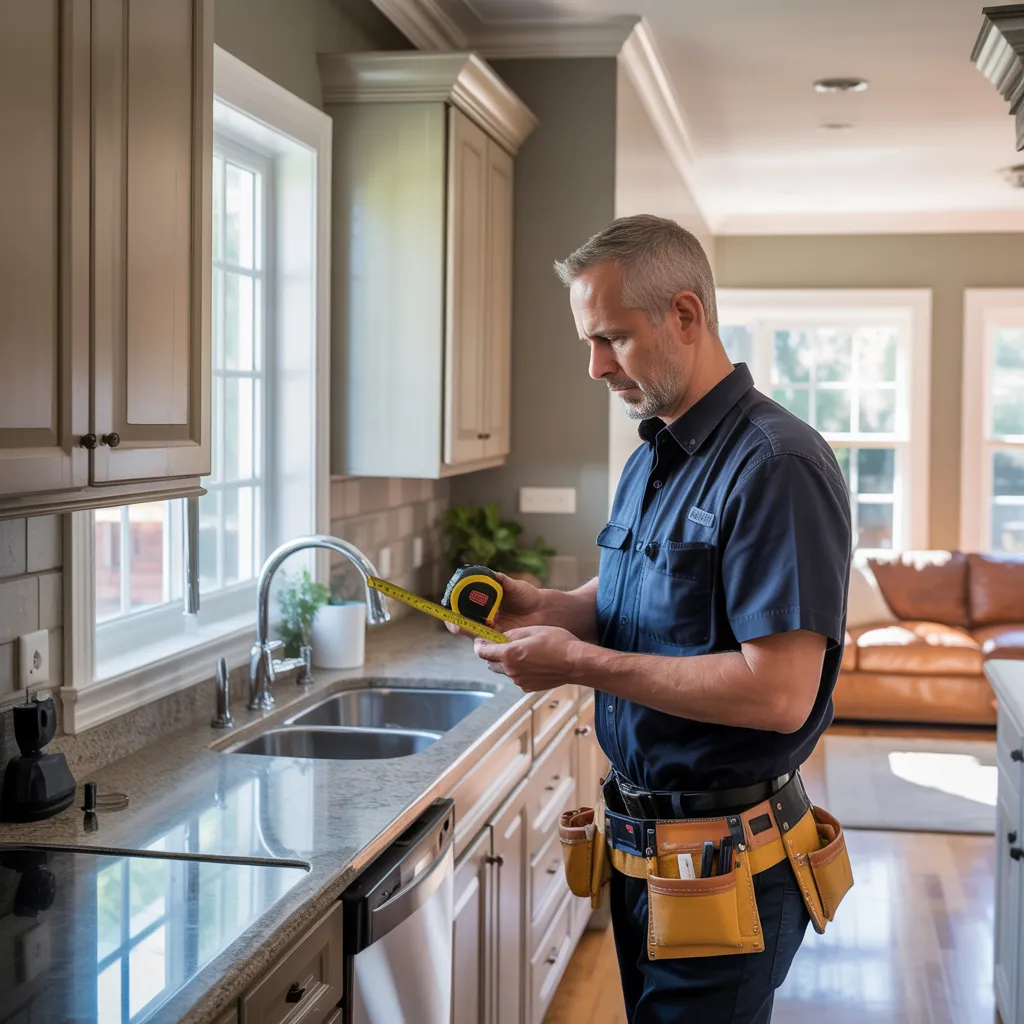
How to Prevent Common Errors When Hiring a Contractor
When selecting a professional contractor, how does one navigate the vast number of choices without encountering frequent pitfalls? Potential clients often overlook vital aspects that can cause unfavorable outcomes. To begin, relying solely on price can be problematic; the cheapest quote may suggest inferior workmanship or unexpected fees. Furthermore, overlooking references or customer feedback can cause you to hire a contractor with a problematic background. It is equally important to avoid making decisions based on charisma alone; a personable contractor may not have the required expertise or dependability. Moreover, failing to establish clear communication and expectations can cause disputes and frustration. Lastly, not reviewing contracts thoroughly before signing can lead to unforeseen responsibilities or insufficient safeguards. By remaining cautious and well-informed, homeowners can make more confident decisions, ultimately leading to a successful project.
Important Things to Look For in a Contractor's Experience
When evaluating a contractor's experience, multiple critical elements must be examined. Relevant project experience, industry certifications, and an extensive portfolio of completed work function as vital benchmarks of their competence. Evaluating these aspects can provide valuable insights into the contractor's appropriateness for the given project being considered.
Relevant Project Experience
Evaluating a contractor's applicable work history is vital for securing favorable results for any construction undertaking. Future homeowners should evaluate the contractor's body of work, focusing on completed projects similar in scope and style to their own. This requires reviewing the level of construction quality, adherence to timelines, and budget management in prior work. Additionally, it is worthwhile to seek information on the categories of building materials utilized and the contractor's understanding of local building standards and requirements. Endorsements and references from earlier patrons can offer valuable information about the contractor's consistency and ability to communicate effectively. When all is considered, a contractor with significant hands-on knowledge can navigate challenges effectively, making certain the results fulfill the homeowner's goals and requirements.
Industry Credentials And Licenses
Certifications and licenses act as key markers of a contractor's professional standing and knowledge in the construction industry. When hiring a general contractor, it is vital to ensure explore this that they possess the necessary licenses mandated by local and state requirements. These licenses signify compliance with construction regulations and safety requirements. Additionally, industry credentials, such as those from the National Association of Home Builders or related professional bodies, reflect a contractor's devotion to high standards and professional development. Contractors with specialized certifications may also demonstrate skills in targeted fields, such as green building or remodeling. Confirming that a contractor has the required certifications not only strengthens trust in their abilities but also minimizes potential legal and financial risks during the project.
Portfolio Of Completed Work
A builder's showcase of past work serves as an important tool for assessing their experience and capabilities. This compilation should highlight a range of jobs, demonstrating flexibility in various styles and levels of complexity. When assessing a portfolio, interested parties should seek out high-quality photographs that accurately showcase the artistry involved. It is also advantageous to see completed jobs that correspond to the property owner's particular requirements or design vision. Careful precision, creative problem-solving, and adherence to timelines are key signs of a professional's proficiency. Additionally, client testimonials or case studies presented in the portfolio can deliver valuable perspective into the contractor's commitment and dependability. At the end of the day, a well-rounded project collection can help homeowners reach confident conclusions about their planned renovations.
How to Check Your Contractor's Credentials and Licenses
Prior to hiring a general contractor, it is crucial to confirm their credentials and licenses to validate they meet industry standards. Start by checking with local licensing boards to verify that the contractor possesses the required licenses for your area and project type. Each state maintains its own standards, so familiarizing yourself with these can prevent potential complications.
Additionally, ask about insurance protection, including liability insurance and workers' compensation coverage, to ensure a safeguard against unforeseen accidents or damages. Request references from previous clients and reach out to evaluate their reliability and satisfaction.
Lastly assess whatever certifications the contractor has obtained, as they frequently reflect specialized expertise and commitment to industry standards. A thorough verification process not only confirms conformity but also establishes assurance in the contractor's ability to complete the project successfully.
The Importance of Communication in Your Contractor Relationship
Strong communication holds a central place in the contractor-client relationship, shaping the project's success from the outset. Open conversation defines expectations, schedules, and budgets, making certain that all parties share a unified vision for the project. When clients express their goals with precision, contractors can deliver well-considered advice and effective solutions, improving the final result.
Consistent updates and clear channels of communication allow for the swift resolution of problems as they occur, limiting possible setbacks. Moreover, a contractor who listens and responds to client feedback cultivates reliability, which is fundamental to a successful partnership.
In addition, strong communication is essential for managing shifts and unexpected obstacles, allowing the project to proceed as planned. This enables the contractor to refine approaches according to client feedback, fostering a positive experience from start to finish. Fundamentally, placing communication at the forefront not only deepens the contractor-client relationship but also substantially aids in bringing the home project to a successful conclusion.
Critical Questions to Raise with Your Contractor in Early Meetings
During early consultations with a contractor, clients ought to focus on learning about the contractor's expertise and professional background. It's essential to inquire about the project timeline and budget to confirm compatibility with the client's requirements. These discussions lay the basis for a strong collaboration and well-managed project execution.
Background and Qualifications
Choosing a general contractor is based on assessing their experience and qualifications. Residents should ask about the professional's time in the field and the variety of projects they have completed. Specific questions regarding certifications, licenses, and insurance are important, as these ensure adherence to local requirements and provide protection during the renovation. In addition, evaluating completed projects through portfolios or references can offer insight into the specialist's reliability and craftsmanship. It is also helpful to determine their knowledge of comparable projects, as this can reflect their ability to manage complex issues. In the end, evaluating a professional's background and credentials promotes peace of mind and empowers clients make informed decisions about their home projects.
Project Timeline and Budget
How can homeowners ensure their project keeps moving forward in terms of budget and timeline when speaking to a general contractor? To maintain alignment, they should raise important questions during first discussions. Homeowners need to find out about the anticipated timeframe for completing the work and any possible setbacks that could occur. Understanding the contractor's strategy for overseeing project timing is essential. Additionally, talking about costs from the start is crucial; homeowners should ask for specifics regarding cost estimates, payment schedules, and any built-in allowances for unexpected costs. Asking about previous projects can shed light on the contractor's track record for staying on schedule and keeping costs in check. By establishing clear communication regarding deadlines and costs, homeowners can foster a productive relationship with their contractor, increasing the probability of a completed project within expectations.
Strategies for Checking References and Assessing Reviews
What measures should someone follow to ensure a general contractor is trustworthy? To begin, it is crucial to ask for a list of references from prospective contractors. A reputable contractor will readily provide names and contact information of previous clients. It is advisable to contact these references to ask about their encounters, concentrating on factors such as communication, workmanship, and compliance with schedules.
Furthermore, reading online reviews on websites such as Google, Yelp, or the Better Business Bureau can yield important details. It is essential to notice recurring themes in the reviews—patterns of praise or criticism can indicate reliability or potential issues.
Additionally, checking for complaints lodged with local regulatory authorities or consumer agencies can uncover a contractor's past record. Finally, seeking out up-to-date project images can aid in determining the caliber of their projects. By implementing these actions, homeowners can make a better-informed choice when selecting a general contractor.
A Guide to Contractor Pricing and Payment Terms
Homeowners should also familiarize themselves with typical payment arrangements. Most contractors require a deposit upfront, followed by progress payments tied to project milestones. Clarifying these terms prior to signing a contract is crucial to prevent any misunderstandings. Homeowners should also ask about any possible extra expenses, including permits or unforeseen repairs. Transparent communication about costs and payment expectations helps build a solid working relationship and leads to a favorable project result. Understanding these elements empowers homeowners to make informed decisions when selecting a general contractor.
Questions Our Clients Often Ask
What Is the Expected Duration for Project Completion?
Project completion time commonly fluctuates according to the level of complexity and scale involved. Typically, the timeframe ranges from a few weeks to several months. Factors such as weather, material availability, and labor resources can greatly influence the completion timeline.
What Occurs When Unforeseen Problems Emerge During Construction
When unforeseen challenges emerge during construction, the contractor generally evaluates the circumstances communicates with the homeowner, and offers potential solutions. Changes to the schedule and budget might be required, guaranteeing openness at every stage of the work.
Does My Project Need Permits or Inspections?
Most construction projects require permits, licenses, and inspections to confirm adherence to regional building codes. You should consult with a general contractor who understands these requirements, as they can effectively handle the permitting and approval process successfully.
How Do You Deal With Subcontractors and Their Payments?
An established contracting professional oversees subcontractors by developing detailed contracts specifying compensation terms. They ensure timely payments, maintain clear dialogue, and evaluate subcontractor contributions, encouraging a collaborative atmosphere that enhances project productivity and achievement.
What Is Your Policy on Project Changes or Upgrades?
The contractor upholds a flexible approach to project changes, requesting written records for any improvements. They ensure open communication, analyze financial implications, and modify schedules as needed to address the client's changing requirements and preferences.
Comments on “How a Memphis General Contractor Delivers Project Efficiency”